
Introduction
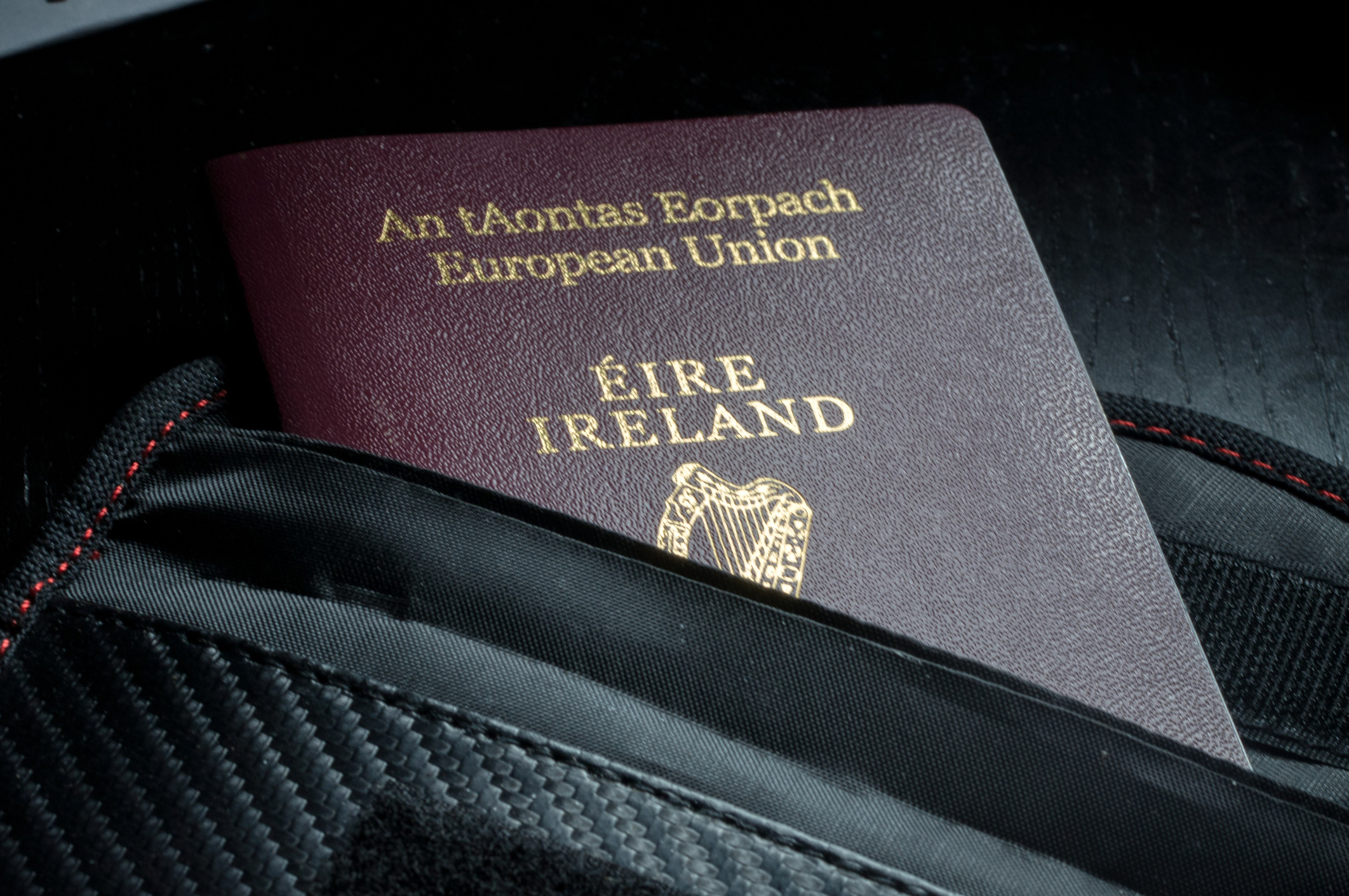
In recent years, more and more people in the UK have been interested in securing an Irish passport—especially since Brexit has changed travel and residency rights for UK citizens. For many, an Irish passport means staying connected to Europe, claiming family heritage, or opening doors for work and travel. But what happens if important family documents are missing or incomplete, or you don’t know the names of your Irish relatives?
DNA Testing and Documentary Evidence
Traditionally, Irish passport and citizenship applications relied on paperwork—birth certificates, marriage records, and other documents that connect you to a parent or grandparent born in Ireland. But not everyone has access to these documents. People who were adopted or born outside of marriage often found it impossible to prove their Irish heritage through paperwork alone.
Now, things have changed. It is possible for people who were born without a father listed on their birth certificate to claim an Irish passport—if it can be proven through DNA that their biological father was a named Irish man. Similarly, people who were adopted can now claim Irish citizenship if DNA testing proves that one or both of their birth parents were identifiable Irish citizens or the children of Irish citizens.
How Does the Process Work? A Real Example
Our client Kate asked us to help identify her unknown birth father. As specialist DNA researchers, genealogists, and family historians, we were able to determine his identity—he had been born in Ireland, later married, and had another child. Kate’s potential half-sister agreed to take a DNA test, which proved the sibling relationship.
Kate took our report and her DNA results to a specialist solicitor in Ireland, who handled her application for citizenship. To meet the government’s requirements, Kate and her new sister retested using a laboratory approved by the Irish authorities, and the official DNA report was submitted with the rest of her application documents. It was an expensive business but the solicitor managed the process from start to finish.
While DNA tests with cousins, aunts, and uncles may be considered in the future, for now, Ireland accepts evidence from parent/child and sibling/half-sibling DNA tests. We are working with the lawyers to see how much wider that net can be thrown.
Conclusion
Allowing DNA results as part of the Irish passport application process is an exciting step forward. It opens the door for people who would previously have been excluded. Now using both modern science and documents, it is possible to prove your citizenship—even if your family story is a little complicated.
The recent rise in demand from UK citizens after Brexit only highlights how important and helpful these changes can be for many people.
If you think you might be eligible for an Irish passport, please contact us at Finding Families for help. We can guide you through the process, answer your questions, and support you every step of the way.